Car Overheating in Lawrenceburg, TN — What to Do, Step by Step
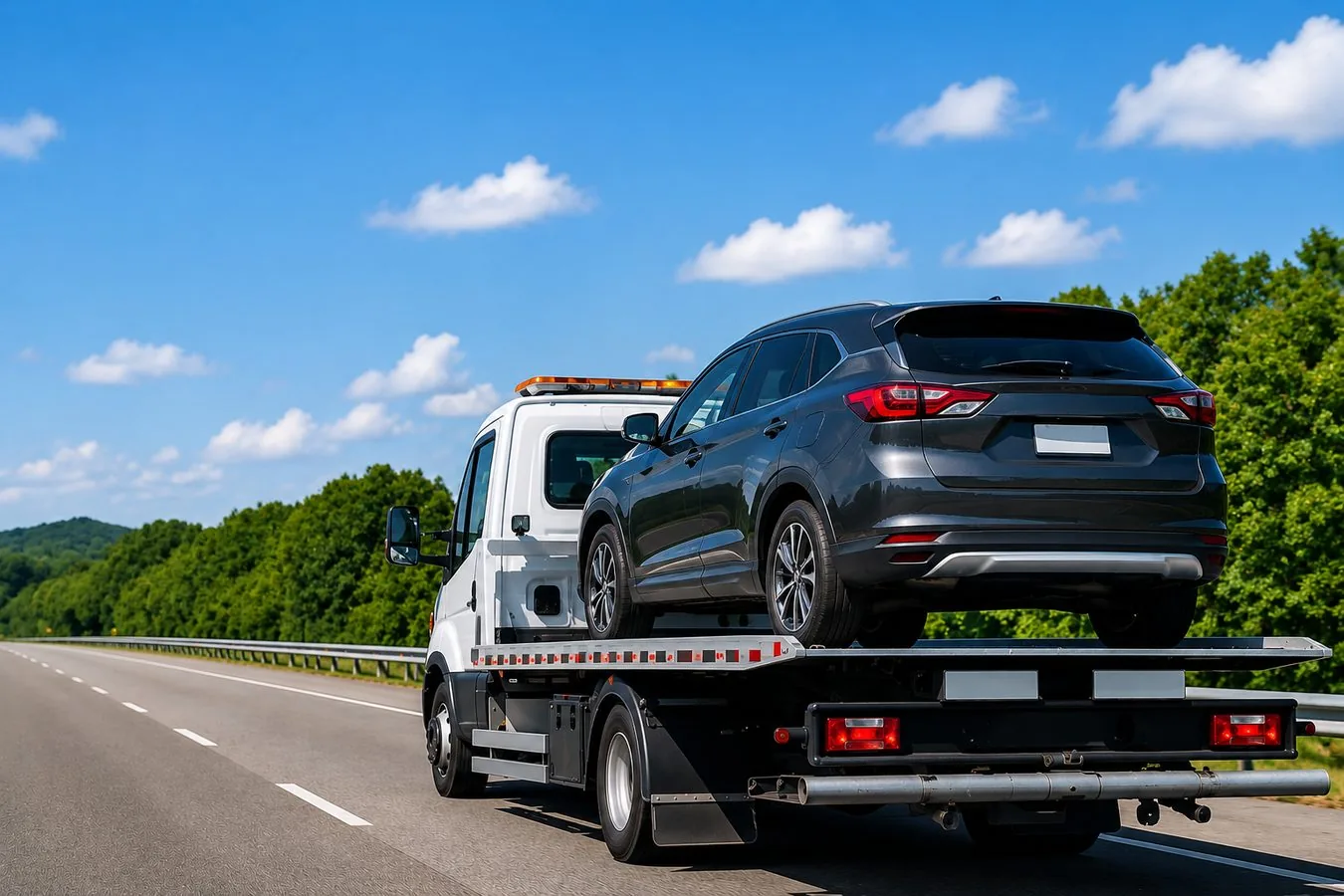
The temperature needle creeping toward the red is one of the few dashboard warnings that gets worse by the minute. Around Lawrenceburg it tends to happen in the same places — sitting at a light on North Military Avenue in August, climbing a grade on Highway 64, or towing a trailer up US-43 on a ninety-degree afternoon. What you do in the first two minutes decides whether this is a hose replacement or a head gasket.
The First Two Minutes
Work through this in order. It is short on purpose.
- Turn the air conditioning off. The A/C compressor adds load and heat. Killing it takes strain off the engine immediately.
- Turn the heater on full blast. It feels wrong in July, but the heater core is a second radiator. Running it pulls real heat out of the engine and can buy you the minute you need to get off the road.
- Get out of traffic. Signal, move right, and find a flat, safe spot well off the pavement. Airflow matters, so rolling slowly is better than idling in a jam if you have the choice.
- Shut it down. Once you are safely stopped, turn the engine off and pop the hood release — but leave the hood closed if you see steam.
- Wait. Thirty minutes minimum before you touch anything under there.
What Usually Causes It
Overheating is a symptom, not a diagnosis. The usual suspects, roughly in order of how often we see them on calls around Lawrence County:
- Low coolant from a leak. A weeping hose, a cracked plastic radiator tank, or a failing water pump seal. If you find a puddle under the front of the car, this is your answer.
- A stuck thermostat. Cheap part, dramatic symptom. The engine heats up fast and the upper radiator hose stays cool because coolant is not circulating.
- A dead cooling fan. Telltale sign: it runs fine at highway speed on US-43 but climbs into the red the moment you hit town traffic.
- A failing water pump. Often preceded by a whine or a wobble in the belt.
- A blown head gasket. White sweet-smelling exhaust, bubbles in the overflow tank, or milky oil on the dipstick. This one is already expensive.
When to Stop Driving Entirely
There is a real temptation to nurse it home. Resist it if you see any of these:
- The gauge is pegged or the warning light is on rather than just climbing.
- Steam or coolant smell coming from under the hood.
- The engine is knocking, pinging, or has lost noticeable power.
- You can hear boiling from the overflow tank after you shut it off.
At that point the metal is already at the edge of its tolerance. Aluminum cylinder heads warp before they crack, and once a head is warped you are looking at a repair that can exceed what the car is worth. A flatbed ride across town is a rounding error by comparison.
If You Are Stranded on the Shoulder
Safety first, mechanical second. Get everyone out of the vehicle and behind the guardrail or well off the shoulder, especially on US-43 where traffic moves fast and trucks run wide. Turn your hazards on. If you carry reflective triangles, set them back up the road. The NHTSA is blunt about this: standing beside a disabled vehicle on a highway shoulder is one of the more dangerous things a driver routinely does.
Then call. Give the dispatcher a mile marker, a cross street, or the nearest landmark — the Amish country turnoff toward Ethridge, the Loretto exit, the David Crockett State Park entrance. Specific beats approximate every time.
Preventing the Next One
Overheating is one of the more preventable breakdowns. Check the coolant level in the overflow tank once a month when the engine is cold. Look at the hoses — they should be firm, not spongy or rock-hard. Have the coolant flushed on the interval in your owner's manual rather than never, which is what most vehicles actually get. And if your temperature gauge has started running just a little higher than it used to, that is not your imagination; that is the early warning.
Steam under the hood on Highway 64?
Do not risk the head gasket. A flatbed can have your car at your shop before the damage gets expensive.
📞 Call (931) 286-7805Frequently Asked Questions
Can I keep driving a short distance if my car is overheating?
Only far enough to get off the roadway safely. Driving an overheating engine even a couple of miles can warp the cylinder head or blow the head gasket, which turns a cheap repair into a very expensive one.
Is it safe to open the radiator cap to check coolant?
Not while the engine is hot. A hot cooling system is pressurized, and opening it can spray scalding coolant. Wait until the engine has cooled for at least 30 minutes, and even then open the cap slowly with a rag over it.
Overheating almost always gives you a warning before it gives you a repair bill. Catching it early is the whole game.